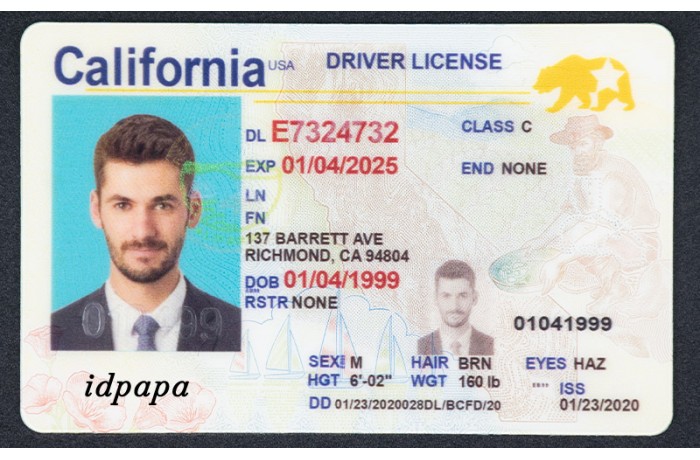
Ever curious about the realm of fake scannable IDs? Reddit's hidden forums can be a strange place, and sometimes you find information about these documents that are amazing.
Lately, there's been a lot of talk about copyright on Reddit. People share experiences about getting caught with them, the rates they demand, and even techniques they use to manufacture them.
It's a fascinating look into a world that's bothillegal and risky. Just remember, while it's entertaining to read about this stuff, it's important to avoid involvement in any wrongdoing.
Want a copyright? (Scannable Edition)
Yo, UK lads and lasses , lookin' to get into ? The age game is rigged , but we got your solution. Grab your flip phone, 'cause we're about to break down how to acquire a scannable copyright that'll have 'em beggin' for mercy.
- First things first: You gotta source a top-notch maker. Skip the dodgy lads on Craigslist , they're more likely to scam you . Word of mouth is your only hope here.
- Authenticity matters. Don't be a cheapskate, invest in a copyright that looks legit AF . We're talkin' security threads, the whole shebang .
- Don't draw attention . Once you got that sweet scannable ID, use it wisely. Act natural .
Remember, this is just for info purposes only. Don't get caught . Stay safe out there.
Dissecting the Secrets of Scannable copyright
The realm of copyright identification is constantly evolving, with criminals always one step ahead. But even as technology advances, there are fundamental principles behind how these illusory documents trick scanners. These "scannable" copyright often leverage subtle design website that can bypass basic security checks. It's a complex dance between the cleverness of the counterfeiters and the protection implemented by institutions.
- A key aspect is often the use of superior paper that mimics the texture and signature of genuine IDs.
- Secondly, counterfeiters may incorporate microprinting or other hidden details that show up under precise lighting conditions.
- In addition, some copyright utilize holographic elements that can mimic the authenticity of real security features.
Understanding these tactics is crucial for authorities to stay one step ahead in the fight against identity theft. As technology continues to evolve, so too will the methods used to create and identify copyright.
The Tech Behind the Deception: Building a Scannable copyright
Creating a scannable copyright is a challenging feat requiring a blend of technological know-how and artistic skill. The process involves manipulating design elements to mimic authentic features while incorporating hidden markers detectable by advanced scanning equipment. The most common method utilizes embedded images that are not readily visible to the naked eye, but can be extracted by scanners used in government identification verification systems.
Another technique involves embedding microchips containing fraudulent data. These chips are microscopic and can be incorporated into the ID's material, bypassing traditional visual examination. However, this method is more complex to execute due to the finesse required in chip placement.
- Creating a scannable copyright demands a deep knowledge of both design and technology.
- Achieving this deception requires meticulous attention to detail and the ability to conceal vital information within seemingly harmless elements.
- The constant evolution of scanning technology necessitates a continuous adaptation in methods used to create convincing copyright.
Scanning Secrets: The Science of copyright
Crafting a copyright is a meticulous process demanding a keen eye for detail and knowledge of security features. From the appearance of the cardstock to the complexity of the printing, each element plays a role in deception scanners. Fraudsters utilize advanced techniques like microprinting, holograms, and UV paints to mimic genuine IDs with astonishing detail. But these efforts are constantly being met by countermeasures implemented by security officials and the development of increasingly advanced scanning technologies.
Ultimately, the battle between copyright and their detection rests on a constant cycle of innovation and counter-innovation, pushing both sides to evolve.
DIY copyright?: Building Your ID Scannable at Home
Yo, so you wanna bypass the age restrictions? Thinkin' about building yourself a copyright that actually scans? Listen up, 'cause I'm gonna lay out how to crank one of these bad boys at home. First things first, you gotta get your hands on some fresh ID templates. These are important for making your copyright look legit. Once you got those, it's time to pack 'em with the info. Think about it like this: you gotta fool that scanner machine that your ID is the real deal. So, make sure all the information is perfect.
Once that's all sorted out, you can start copying the data onto the ID template. This part is kinda tricky, so don't rush it. You gotta be accurate. Last, you need to make your copyright look realistic. Use a good quality printer, and maybe adding some subtle details to make it more convincing.